Working with graphic design, visual materials, and digital products no longer requires expensive software or complex infrastructure. Today, training, projects, and portfolios are built around free resources, open libraries, and browser-based tools. This changes the approach to learning and practice. It does not change declaratively, but at the level of daily work.
Students, aspiring designers, and specialists in related fields use images, illustrations, icons, fonts, videos, and animations as working material, not as an addition. In this context, free resources become part of a professional process rather than a temporary solution, forming a stable ecosystem of graphic design resources that supports both learning and production.
Visual Assets As The Basis Of Workflows
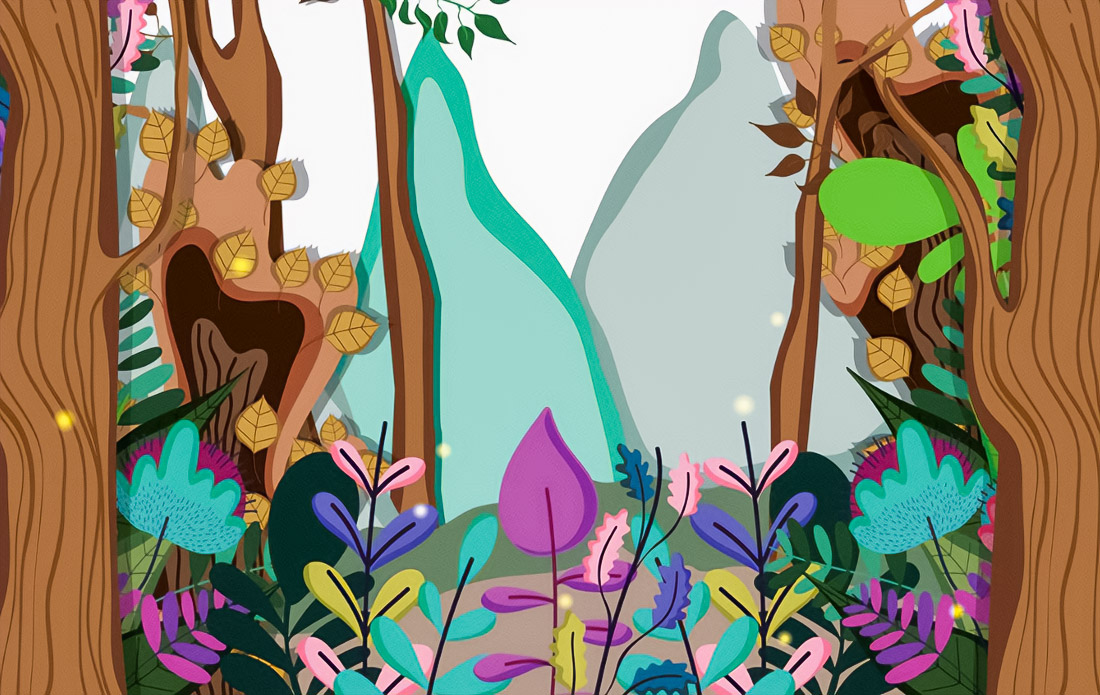
Images, illustrations, and videos are the foundation of any visual communication. Free libraries offer thousands of visual materials that can be used for study assignments, presentations, infographics, and digital products. The ability to quickly search and filter is especially important when deadlines are limited and projects run in parallel.
Vector graphics and SVG illustrations are appreciated for their modularity and flexibility. Such elements can be easily adapted to different formats: interfaces, presentations, and social networks. Customization of color, shape, and composition allows you to maintain a unified visual style even when using ready-made assets. Many collections are distributed as open-source, which simplifies long-term work and reuse of materials.
Typography, Icons, And Visual Language Structure
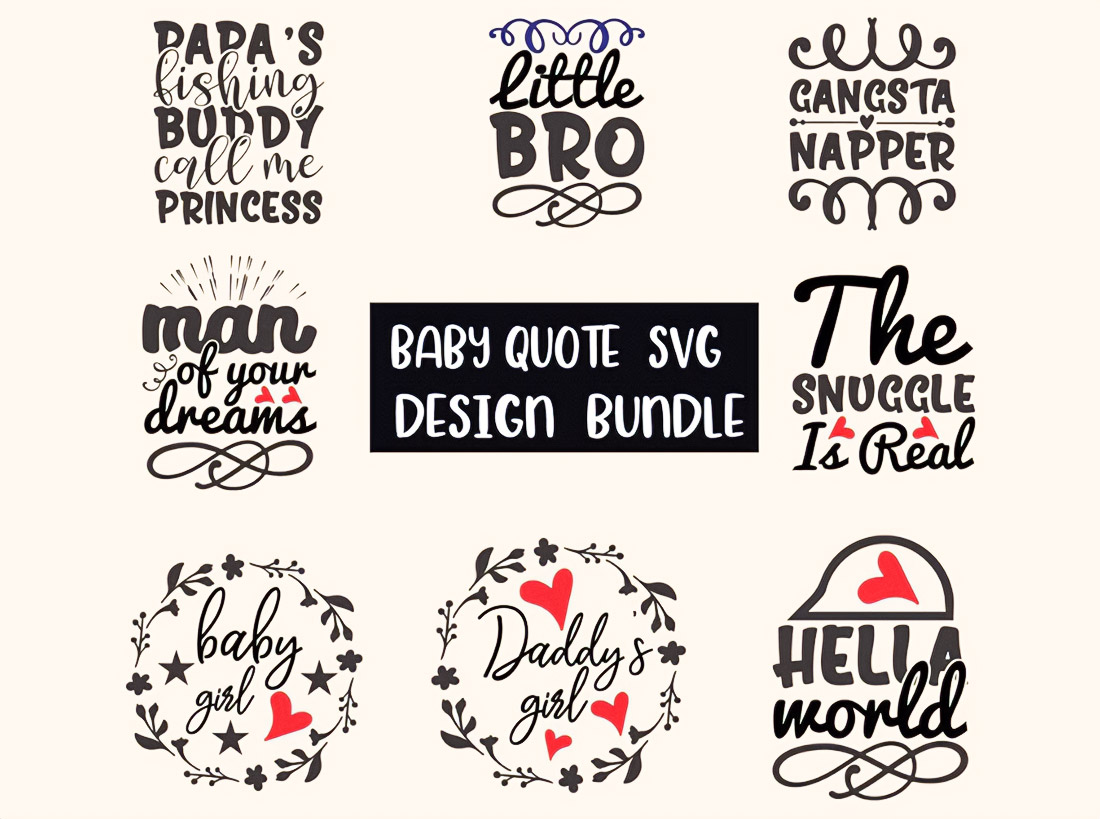
Typography directly affects the perception of design. Free fonts created and maintained by independent design teams allow you to work with the hierarchy, rhythm and accents of the text. Some such projects have been in existence since 2009 and are being developed by teams of about 10 people. These are not random experiments, but well-established ecosystems.
Icons remain a key element of the user interface. Open libraries contain millions of icons suitable for web projects, mobile interfaces, and presentations. They help structure information, speed up navigation, and make visual language more understandable. The use of icons in combination with typography forms a readable and logical system, especially important for educational and demonstration projects.
Tools, Automation, And The Path To A Portfolio
Modern design tools are increasingly working directly in the browser. This simplifies access and reduces the technical entry threshold. Free solutions allow you to edit images, remove backgrounds, adjust colors, and assemble mockups and presentations without complicated settings. For students and aspiring designers, this means less time to master the environment and more time for the task itself.
Tools with elements of artificial intelligence deserve special attention. They are used to generate text, illustrations, and automate repetitive operations. As part of the free access, some solutions allow you to create up to 10,000 characters of text per month. This is enough for project descriptions, concepts, and training materials.
All these tools directly affect the quality of the portfolio. Templates, asset libraries, and mockups allow you to quickly assemble complete projects and design them at a professional level. This is especially important when participating in competitions, internships, and first commercial projects.
Free design resources are no longer a compromise. They have become a full-fledged environment for learning, practice and growth. Images, illustrations, icons, fonts, videos, templates, and AI tools form a working system in which you can create high-quality visual materials, save time, and consistently develop professional skills.

Hello! My name is Lars Jensen, and I am a fitness enthusiast and a healthy lifestyle coach from Denmark. Moving to a hot climate completely changed my approach to training, hydration, and recovery. I had to adapt my routine, nutrition, and lifestyle to maintain maximum performance even in extreme heat.