
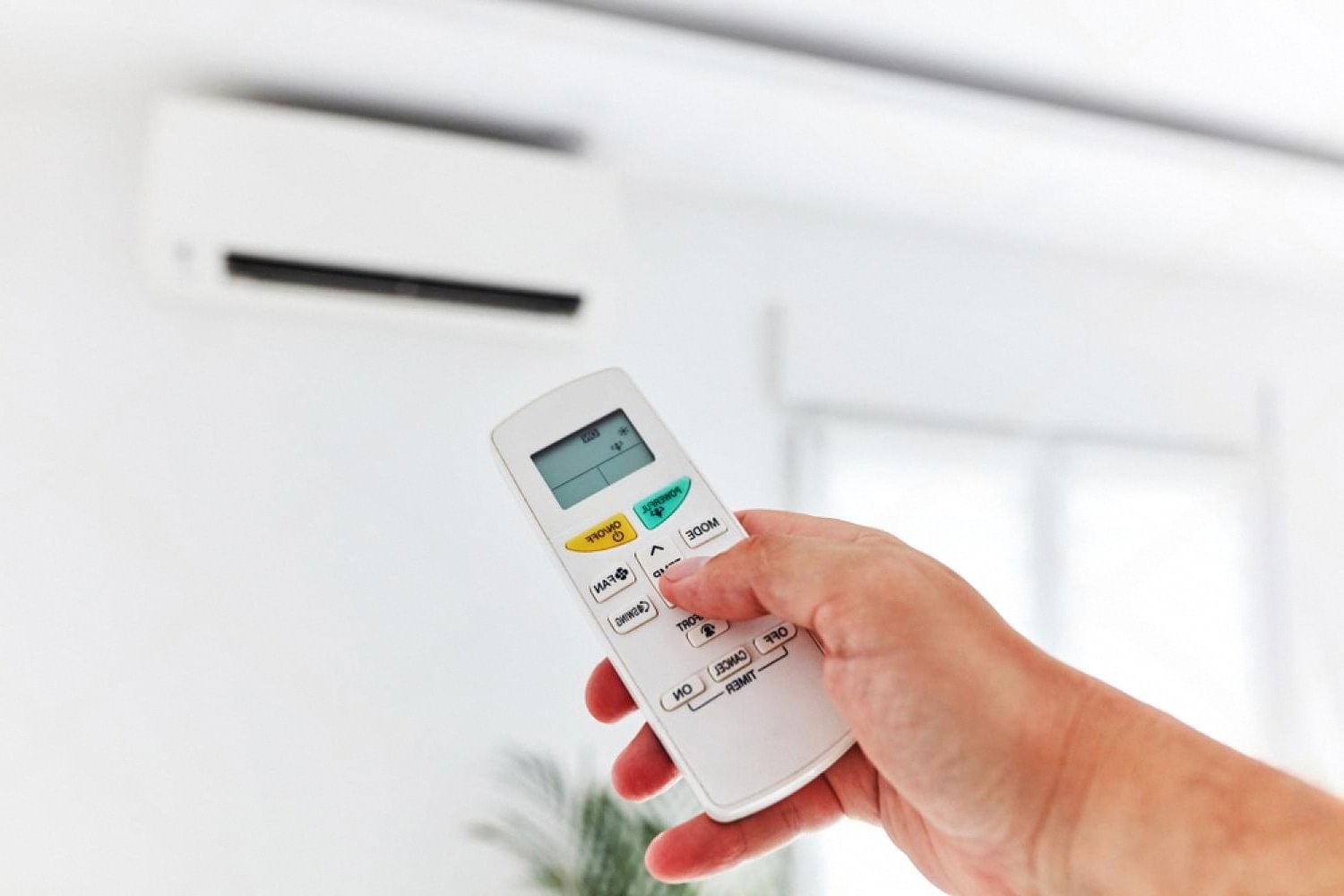
UAE Cooling Guide
Picking a Portable Air Conditioner That Actually Fits Your Space
In the UAE, choosing the right portable air conditioner is about far more than grabbing the biggest unit on the shelf. Summer temperatures in Dubai and Abu Dhabi regularly push past 45 degrees Celsius, and an oversized or undersized machine will either short-cycle, waste electricity, or simply fail to keep a room comfortable. The right choice comes down to matching cooling capacity to your room, your usage pattern, and how you plan to vent the hot exhaust air.
This guide walks through the trade-offs, the honest pros and cons, and the practical tips that make the difference between a unit that hums quietly in the background and one you end up regretting.
Start Here
Why Room Size Comes First
Cooling capacity is measured in BTUs (British Thermal Units) per hour, and the number you need scales with the floor area and the ceiling height of the room. A small bedroom of around 15 square metres with a standard 2.7 metre ceiling can usually be handled by a 9,000 to 12,000 BTU unit. A large living room of 30 to 40 square metres, or any space with a high ceiling common in UAE villas, quickly climbs into the 14,000 to 18,000 BTU range.
Sun exposure matters too. A west-facing room with floor-to-ceiling glass gains significantly more heat than a shaded interior space, and you should add roughly 10 to 15 percent to your BTU estimate to compensate. According to standard cooling-load calculations undersizing by even 20 percent means the unit runs constantly without ever reaching setpoint.
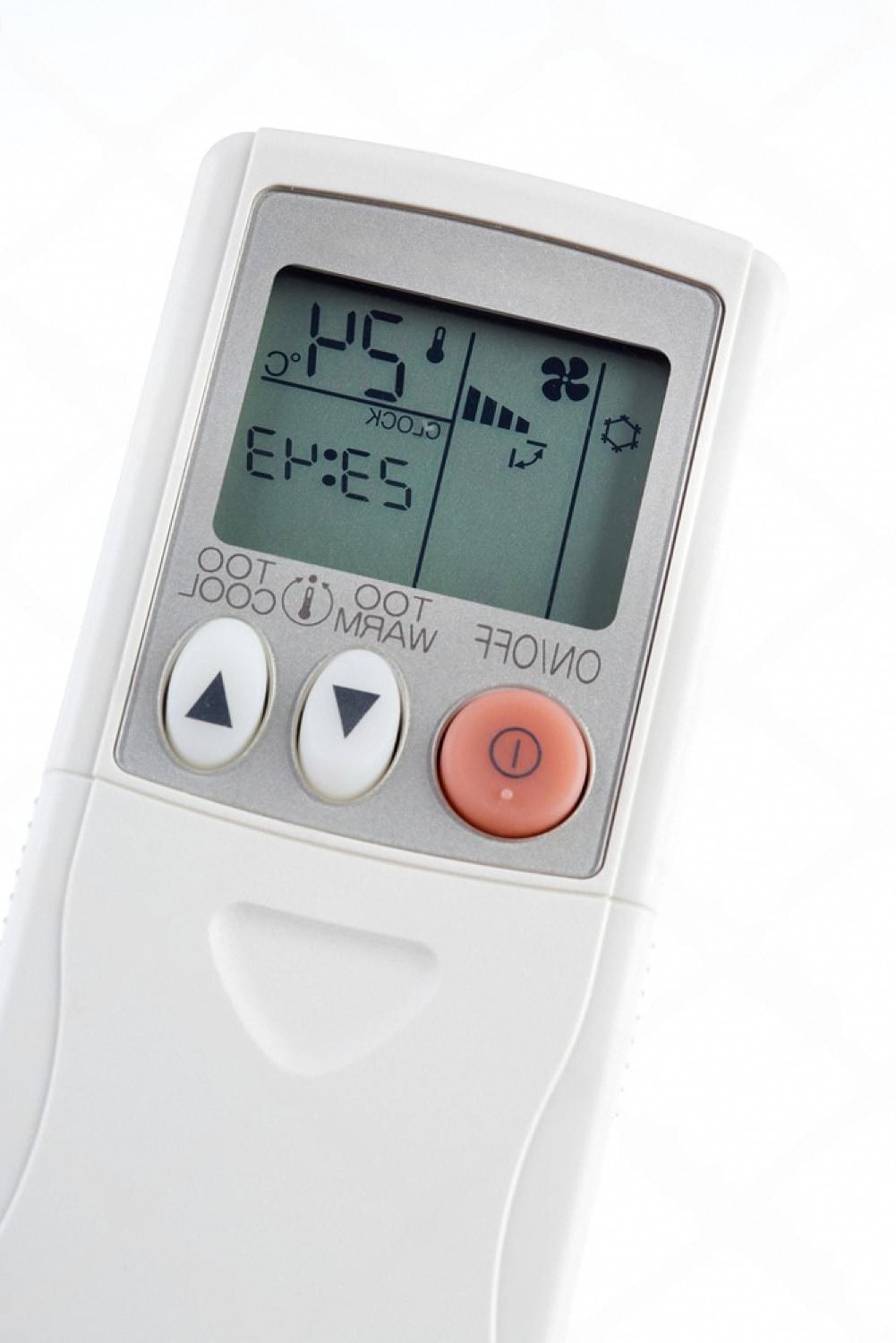
Portable AC: The Honest Pros and Cons
What Works Well
- No permanent installation, so ideal for tenants and short-term needs
- Easy to relocate between rooms as the day heats up
- Faster to deploy for events, pop-ups, and temporary offices
- Lower upfront cost than a split system
- Rental options let you scale up cooling for one-off occasions
Where They Struggle
- Less efficient than split units in very large or high-ceilinged rooms
- Need a proper exhaust route to a window or vent
- Louder than wall-mounted units because the compressor sits indoors
- Water tanks or condensate lines require periodic attention
- Single-hose designs can pull hot air back into the room
Tip 1: Match the Unit to the Room Type
Cooling requirements change dramatically depending on where the portable unit will live. The same 12,000 BTU machine that keeps a bedroom comfortable will feel underpowered in a busy retail store with an open door.
- Bedrooms: prioritise low noise (under 55 dB) and a sleep mode. A 9,000 to 12,000 BTU unit is usually enough.
- Living rooms: account for larger volumes, sun-facing glass, and multiple occupants. 14,000 BTU and above is realistic.
- Offices: factor in computers, printers, and body heat from staff. Consistent daytime running beats peak output.
- Retail stores: frequently opening doors mean constant heat gain. Two smaller units often beat one large one.
- Server rooms: need 24/7 dependability, low humidity, and precise temperature control. Look for units rated for continuous duty.
- Event spaces: outdoor tents and majlis setups usually call for high-capacity evaporative cooling rather than refrigerant-based portables.
- Warehouses: spot-cooling workstations is more realistic than trying to cool the entire volume.
For temporary needs like weddings, exhibitions at Dubai World Trade Centre, or Ramadan tents, a short-term outdoor air cooler rental in the UAE is often cheaper and more effective than buying a large unit outright.
Tip 2: Plan the Exhaust Before You Buy
Every refrigerant-based portable air conditioner produces hot exhaust air that has to go somewhere. If it stays inside the room, you cancel out most of the cooling. In the UAE, where many apartments have sealed sliding windows or fixed glazing, this is the single most overlooked factor.
Check three things before purchase:
- Window or vent access: the exhaust hose typically needs a 15 to 20 cm opening within two to three metres of the unit.
- Window kit compatibility: sliding, casement, and tilt windows each need different adapters, and UAE window styles vary by building.
- Single vs dual hose: dual-hose units are more efficient because they pull outdoor air for cooling the condenser rather than sucking conditioned indoor air out through gaps.
If you cannot vent to the outside, an evaporative cooler is a better fit, though these work best in dry conditions and less well during the humid summer months along the coast.
Tip 3: Think About Usage Duration and Running Cost
A unit you run for two hours in the evening has different priorities to one that runs all day in a home office. DEWA and ADDC tariffs are tiered, so an inefficient portable that runs eight hours a day can add noticeably to a monthly bill. Look for an Energy Efficiency Ratio (EER) above 10, an inverter compressor if available, and a programmable timer so the unit does not run when the room is empty.
Also weigh purchase against rental. For seasonal use, a summer-long or event-based rental usually costs less than buying, storing, and maintaining a unit you only use a few weeks a year.
What to Avoid
- Buying on BTU alone without checking noise level, especially for bedrooms
- Ignoring ceiling height when the space is a double-volume villa living room
- Skipping the window kit and letting the exhaust hose vent indoors
- Using an undersized unit in a server room, where a failure means downtime
- Assuming an evaporative cooler will work in high-humidity coastal conditions
Bringing It All Together
Choosing the right portable air conditioner in the UAE comes down to three questions: how big is the space, what is happening inside it, and how long will the unit run each day. Answer those honestly, plan the exhaust route before you pay, and match the unit type to the room rather than the price tag. Done well, a portable AC is one of the most flexible cooling tools you can own or rent, and it can carry you comfortably through the hottest weeks of the year.
Frequently asked questions
How many BTUs do I need for a room in Dubai?
As a rough guide, allow around 600 BTU per square metre for a standard room with a 2.7 metre ceiling, then add 10 to 15 percent for sun-facing glass or high ceilings common in UAE villas. A 20 square metre bedroom typically needs a 12,000 BTU unit, while a large living room of 35 square metres or more usually needs 18,000 BTU or above.
Can a portable air conditioner cool a room without a window?
Not effectively. Refrigerant-based portable units produce hot exhaust air that must be vented outside, usually through a window kit or a wall vent. Without a proper exhaust path, the unit will heat the room almost as fast as it cools it.
If venting is impossible, an evaporative cooler is a better choice, though it performs best in low humidity.
Is renting a portable air conditioner cheaper than buying one in the UAE?
For short-term needs like events, weddings, exhibitions, or Ramadan tents, renting is almost always cheaper because you avoid storage, maintenance, and capital cost. For year-round household use, buying makes more sense once the rental fees would exceed the purchase price, typically after two to three summers of heavy use.
Are portable air conditioners suitable for server rooms?
They can be, but only if the unit is rated for continuous 24/7 duty and sized with a safety margin above the calculated heat load. Server rooms benefit from precise humidity control and redundancy, so many operators use two smaller units instead of one large one so that a single failure does not take the room offline.
What is the difference between a single-hose and dual-hose portable AC?
A single-hose unit uses indoor air to cool its condenser and blows it outside, which creates negative pressure and pulls warm unconditioned air in through gaps around windows and doors. A dual-hose unit draws outdoor air in through one hose and expels it through the other, so it does not depressurise the room. Dual-hose designs are noticeably more efficient in hot UAE conditions.
How noisy are portable air conditioners?
Most portable units operate between 50 and 65 decibels, which is roughly the level of a normal conversation to a busy office. For bedrooms, look for units rated under 55 dB and check that they have a dedicated sleep or quiet mode. Because the compressor sits inside the unit, portables are always louder than a wall-mounted split system.

Hello! My name is Lars Jensen, and I am a fitness enthusiast and a healthy lifestyle coach from Denmark. Moving to a hot climate completely changed my approach to training, hydration, and recovery. I had to adapt my routine, nutrition, and lifestyle to maintain maximum performance even in extreme heat.