
Gift guide
Educational toys that actually get played with
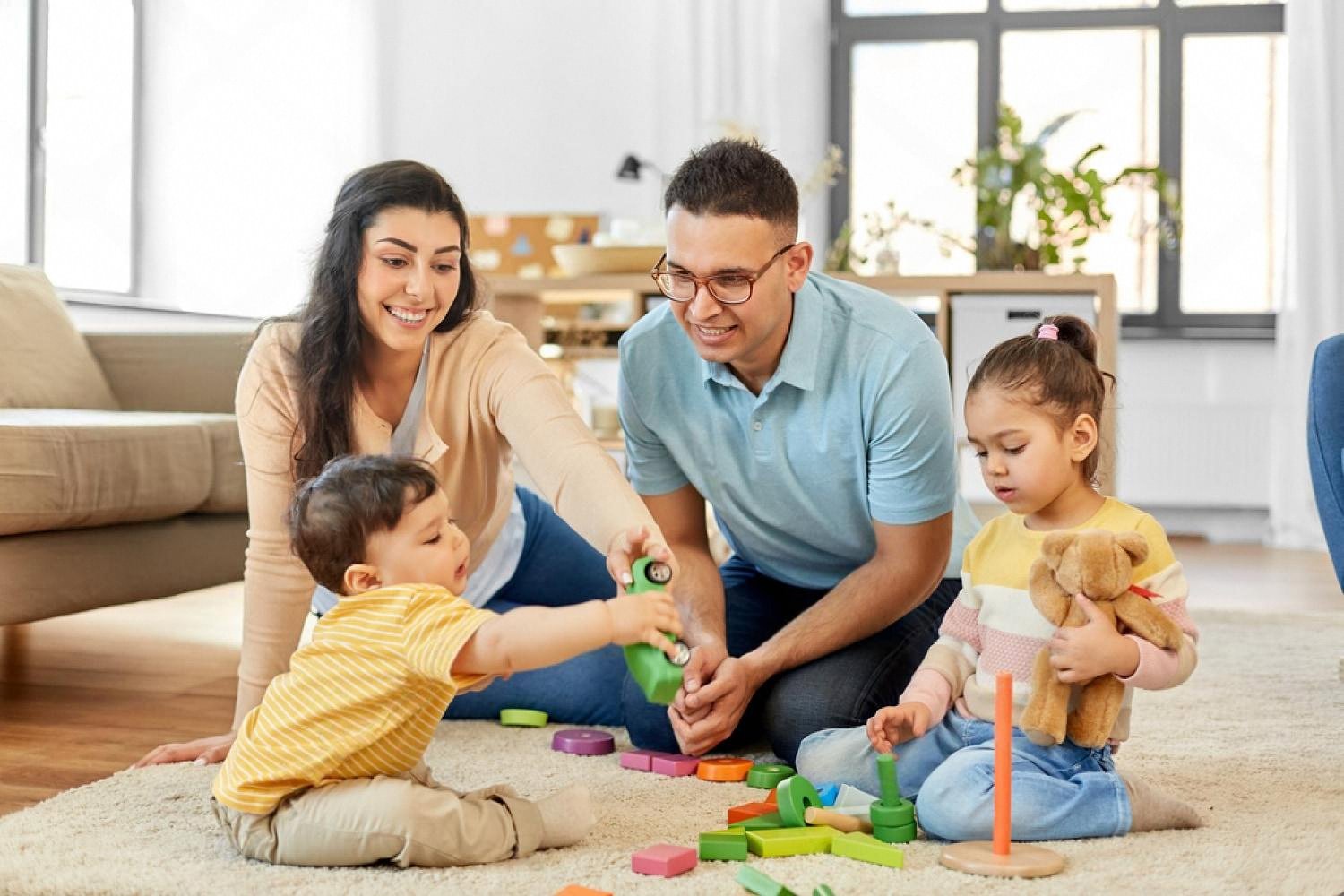
Birthdays, Eid, back-to-school, a new cousin arriving from Abu Dhabi: there is always a reason to buy a gift for a child in the UAE. The question is whether the toy ends up loved for months or forgotten by the weekend. Educational toys, when chosen well, tend to fall firmly into the first group.
Why it matters
Play is how children learn
Educational toys are not a marketing label. They are toys designed so that the fun itself teaches something: a shape sorter trains problem solving, a set of magnetic tiles trains spatial reasoning, a simple recipe kit trains sequencing and patience. The World Health Organization lists responsive play as one of the core drivers of healthy development in the first years of life.
Parents in the UAE have noticed. Walk through any mall in Dubai or Sharjah and you will see the toy aisles shifting: fewer battery-powered noise machines, more wooden puzzles, STEM kits and Montessori-style materials. Families want gifts that do more than entertain for an afternoon.
Why choose an educational toy as a gift?
- Learning through play. Skills stick when a child discovers them, rather than being told.
- Long-lasting value. Good building sets and art supplies get pulled out for years, not weeks.
- Developmental milestones. Toys can gently target grip strength, language, counting or turn-taking.
- Less screen time. A tactile toy competes with the tablet by offering something the screen cannot.
- Family involvement. Board games and craft kits invite adults in.
- Confidence. Finishing a puzzle or building a robot leaves a child feeling capable.
When is the right moment to gift one?
Almost any occasion works, but the toy should match where the child is right now, not where the giver imagines they should be. A four-year-old is not ready for a 500-piece jigsaw, and an eight-year-old will roll their eyes at a shape sorter. Ask the parents about current obsessions: dinosaurs, space, cooking, drawing, football. The best educational gift sits at the intersection of what the child already loves and a small stretch beyond it.
Best educational gift ideas by age
Here is a step-by-step way to think about age-appropriate choices, from the first year through primary school.
- Babies (0 to 12 months). Soft cloth books, high-contrast rattles, wooden teething rings, stacking cups. The goal is sensory input: sight, sound, texture, grip.
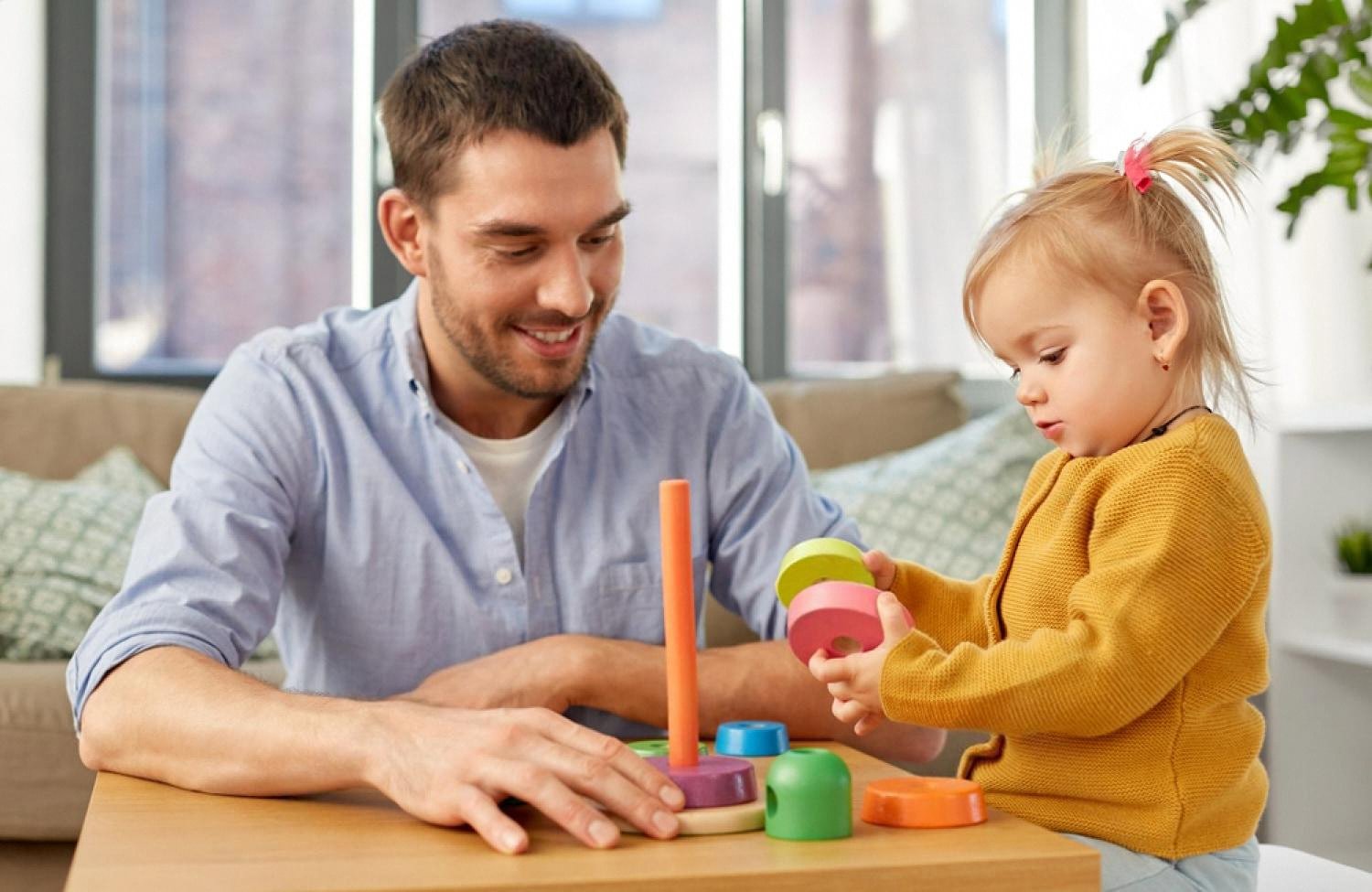
- Toddlers (1 to 3 years). Shape sorters, chunky wooden puzzles, ring stackers, push-and-pull toys, simple musical instruments. Fine motor skills and cause-and-effect are the wins here.
- Preschoolers (3 to 5 years). Magnetic tiles, pretend-play kitchens or doctor kits, beginner board games, alphabet puzzles, watercolour sets. Language, imagination and early literacy step forward.
- Primary school children (6 to 10 years). STEM kits, coding robots, model-building sets, science experiment boxes, chess, complex jigsaws, journalling and craft supplies. Logic, reading and independent focus grow.
Categories worth knowing before you shop
STEM toys
Circuits, magnets, gears, coding robots. Great for curious kids aged five and up.
Montessori toys
Natural materials, one clear purpose per toy, no flashing lights. Excellent for babies and toddlers.
Construction toys
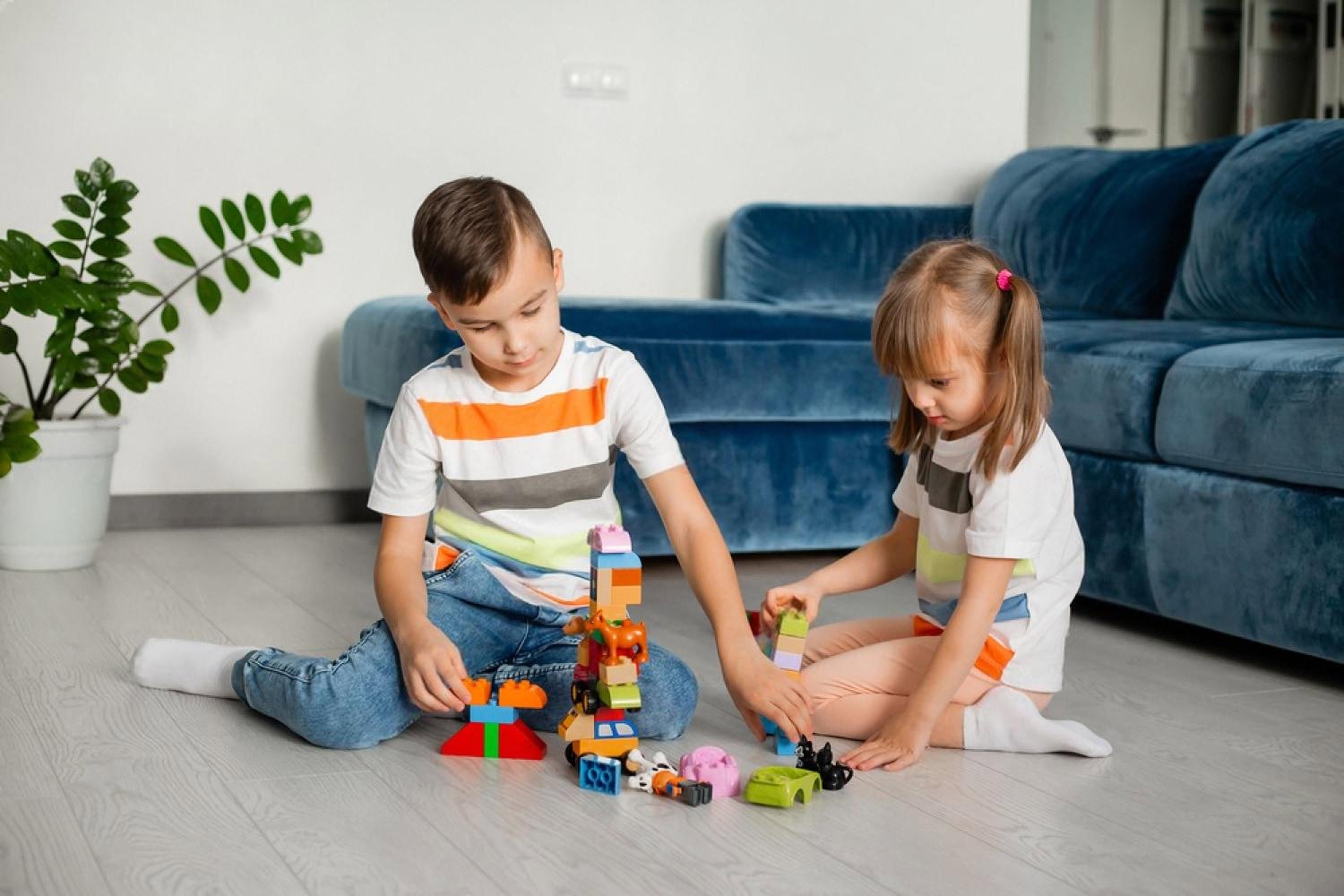
LEGO, magnetic tiles, wooden blocks. Endlessly open-ended, which is why they never get boring.
Science kits
Crystal growing, volcano chemistry, junior microscopes. Best from age seven, with an adult nearby.
Creative art sets
Clay, watercolours, calligraphy starter kits. Screen-free, satisfying, and easy to top up.
Puzzle games
Jigsaws, tangrams, logic puzzles like Rush Hour. They train patience as much as reasoning.
Language learning toys
Bilingual flashcards, Arabic-English talking books, story dice. Especially useful in a multilingual home.
Board games
Chess, Ticket to Ride Junior, Dobble. They teach strategy, losing gracefully, and reading the room.
Quick reference: what to gift, at a glance
| Age group | Skill focus | Good gift ideas | Rough budget (AED) |
|---|---|---|---|
| 0 to 12 months | Sensory, grip | Cloth books, rattles, stackers | 50 to 150 |
| 1 to 3 years | Fine motor, cause-effect | Shape sorters, chunky puzzles | 80 to 250 |
| 3 to 5 years | Language, imagination | Magnetic tiles, pretend-play sets | 150 to 400 |
| 6 to 10 years | Logic, literacy, STEM | Coding robots, science kits, board games | 200 to 800 |
Checklist
How to choose the right one
- Age appropriateness. Check the label, then check the child. A cautious six-year-old may enjoy something rated seven-plus; an adventurous four-year-old may already be past it.
- Safety. Look for the ESMA conformity mark on toys sold in the UAE, and avoid small parts for anyone under three.
- Learning objective. One clear skill per toy tends to beat ten vague ones.
- The child’s interests. A space-mad kid will use a rocket model for months; the same kid will ignore a chemistry set.
- Open-ended play. If there are ten different ways to use the toy, you have chosen well.
- Where you buy. A specialist store with staff who actually play with the products is worth the short trip. If you are in the Emirates, the best toy store in Dubai for curated educational picks is a good starting point.
What children actually gain
Creativity and curiosity
Open-ended toys leave room for the child to invent the game, not just follow it.
Cognitive and motor skills
Sorting, stacking and drawing quietly train the same neural pathways that later handle reading and maths.
Social confidence
Cooperative games teach turn-taking, negotiation and how to lose without a meltdown, useful skills at any age.
The best gift is the one a child picks up on their own three days later, without being asked.
One last thought before you head to the till
Educational toys are not about turning play into homework. They work precisely because the child does not notice the learning happening. Pick something that fits the age, respects the child’s interests, and leaves plenty of room for imagination, and you will end up with a gift that is still on the shelf, worn at the edges, long after the wrapping paper is gone.
Frequently asked questions
Are educational toys really better than regular toys?
They are not automatically better, but well-designed educational toys tend to have longer play value because they reward repeated use. A shape sorter or a construction set can be played with in dozens of ways, while a single-function novelty toy is often abandoned after the first afternoon.
What is a safe budget for an educational gift in the UAE?
You can find excellent options between 100 and 300 AED for younger children, and 200 to 800 AED for primary school kids where STEM kits and coding robots sit. Price is not the main indicator of quality: a well-made wooden puzzle at 120 AED can outlast a 500 AED electronic toy.
How do I check that a toy is safe for a child in the UAE?
Look for the ESMA conformity mark, which is required for toys sold legally in the Emirates. Beyond that, check the age rating, avoid small detachable parts for children under three, and be cautious with button batteries and strong magnets. Reputable toy shops will happily answer safety questions before you buy.
Are Montessori toys worth the extra cost?
For babies and toddlers, often yes. Montessori-style toys tend to use natural materials, focus on one skill at a time, and last for years without breaking. If the budget is tight, you do not need a full Montessori shelf: two or three thoughtful pieces can do the job.
What if the child already has a lot of toys?
Consider consumables or experience-style gifts: a refillable art supply set, a science experiment subscription, a chess set to grow into, or a bilingual book series. These add depth rather than clutter and are usually appreciated by parents.
Which educational toys work well for bilingual families in the UAE?
Arabic-English talking books, bilingual flashcards, story dice, and puzzle games with word-based prompts are all strong options. Board games that require reading aloud also help children build vocabulary in whichever language is spoken at the table.

Hello! My name is Lars Jensen, and I am a fitness enthusiast and a healthy lifestyle coach from Denmark. Moving to a hot climate completely changed my approach to training, hydration, and recovery. I had to adapt my routine, nutrition, and lifestyle to maintain maximum performance even in extreme heat.