
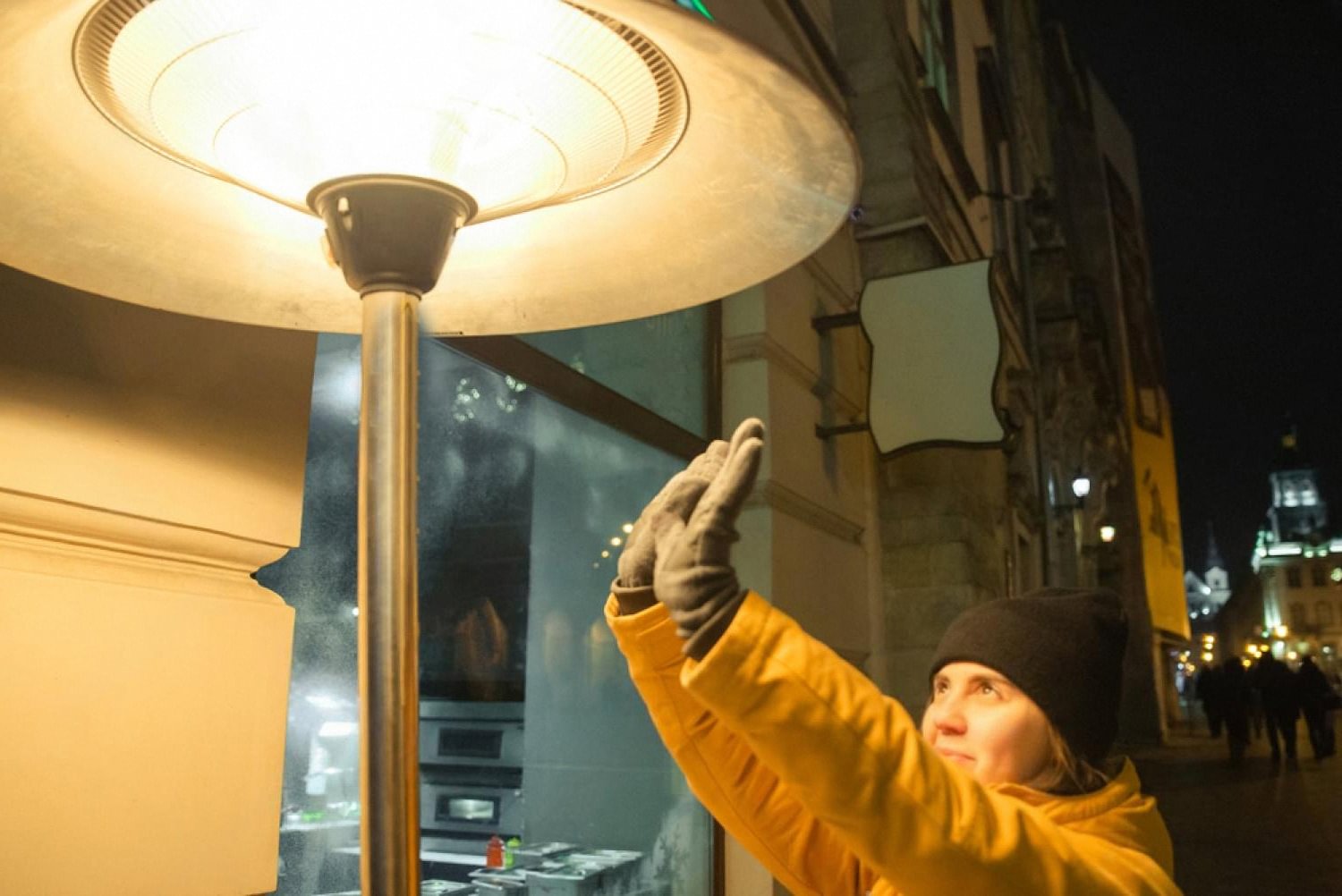
“Dubai doesn’t get cold. It gets cold enough.”
Ask a resident in July if Dubai needs heaters and you’ll get a laugh. Ask the same person hosting a garden dinner in Al Barsha in mid-January, when the temperature drops to 12°C after sunset and a breeze picks up off the coast, and the answer changes. Winter here is short, but the evenings genuinely bite, especially between December and February.
This guide walks through the practical questions people actually ask before booking: whether a patio heater is worth it at all, what it costs to rent one, how close you can safely sit, how many units cover a given space, and whether they belong indoors or strictly outside.
The honest answer
Do you actually need one?
According to the UAE climate profile average January lows in Dubai sit around 14°C, but coastal wind, humidity near the water, and the temperature drop after sunset make it feel noticeably colder. For a two-hour brunch that’s usually fine with a jacket. For a four-hour wedding reception, an outdoor corporate dinner, or a Friday shisha night, it isn’t.
- Weddings and receptionsguests are seated, dressed lightly, and stay for hours. Heaters are essentially non-negotiable.
- Corporate events on rooftops or lawnsdress codes rarely allow visible coats, so ambient heat matters.
- Restaurants and cafesoutdoor seating stays usable in winter only if it’s warmed.
- Home gatheringsa single heater on a villa terrace changes the room. Two changes the night.
- Construction and site workearly-morning shifts on exposed sites in January genuinely need them.
If your event runs past 8pm between mid-November and late February, plan for heaters. If it’s a lunchtime affair in October, you probably don’t need any.
Costs, coverage and placement
Rental pricing in Dubai varies by supplier, fuel type (gas mushroom heaters are the most common), delivery zone, and event duration. As a working benchmark, daily rates for a standard tall gas patio heater usually fall somewhere between AED 150 and AED 350 per unit, with cheaper multi-day and weekly packages. Delivery, setup, and gas cylinders may be billed separately, so ask for an all-in figure. If you want a straightforward option that includes cylinders and delivery, you can rent an outdoor heater from a Dubai supplier that handles logistics end to end.
Two questions matter more than price: how many units, and where to put them.
- Coverage per unit. A standard mushroom-style gas patio heater warms an area of roughly 3 to 4 metres in radius, so around 25 to 40 square metres of usable warmth per heater, less if there’s wind.
- Spacing between heaters. Place units about 4 to 5 metres apart. Closer than that and you waste heat overlap; further apart and you create cold gaps between them where guests will migrate away from.
- Safe distance for people. Guests should stay at least 1 metre away from the heater’s reflector, both horizontally and below. Closer than that and the radiant heat becomes uncomfortable and, at extended exposure, unsafe for exposed skin.
- Clearance above and around. Keep at least 1 metre clear on all sides and around 1 metre from any ceiling, tent fabric, or awning. Tent manufacturers and civil defence guidance in the UAE both flag this.
- Ground surface. Flat, stable, non-flammable. No rugs directly under the base, no synthetic grass patches, no loose sand that lets the unit tilt.
A quick worked example: a 100 square metre lawn seating 40 guests for a winter dinner needs roughly three to four heaters, spaced along the edges of the seating area rather than clustered in the middle. That produces overlapping warm zones without hot spots.
Indoor use, safety, and the small stuff that saves the night
Gas patio heaters are almost always an outdoor product. They burn LPG and produce combustion by-products, so using them inside a closed villa majlis or a sealed tent is a bad idea, both for air quality and for fire safety. If you need indoor heating for a home in Dubai, the right answer is a portable electric heater, not a patio unit. Electric fan or oil-filled radiators are cheap to buy or rent and safe for enclosed rooms.
For semi-open structures, marquees with open sides, pergolas, shamiana tents, patio heaters work, but only with proper ventilation. The LPG cylinders that power them must sit upright, be checked for leaks, and be kept away from ignition sources.
A short pre-event checklist
- Book heaters at least a week ahead in peak season (December and January fill up fast).
- Confirm the supplier delivers, sets up, and swaps gas cylinders if the event runs long.
- Ask whether the rate includes VAT, delivery to your specific area, and pick-up.
- Test-fire every unit before guests arrive, ignition, flame quality, tilt-cutoff switch.
- Position units 4 to 5 metres apart and at least 1 metre from any fabric, seating, or wall.
- Never leave a live heater unattended when children are moving around the space.
- For indoor rooms, use electric heaters only, never gas patio units.
- Have one spare cylinder on site for every three heaters running past four hours.
People remember warmth, or the lack of it, longer than they remember the food.
Frequently asked questions
How much does it cost to rent a patio heater in Dubai?
Daily rental for a standard tall gas patio heater in Dubai usually runs between AED 150 and AED 350, depending on the supplier, delivery zone, and whether gas cylinders are included. Multi-day and weekly rates are typically cheaper per day. Always ask for a total figure that covers delivery, setup, cylinders, and pick-up so there are no surprises on the invoice.
How close can you safely sit or stand to a patio heater?
Keep at least 1 metre between the heater’s reflector and any person, seat, curtain, or tent fabric. Radiant heat drops off quickly with distance, so 1 to 2 metres away is the comfortable sweet spot for guests. Closer than 1 metre and the heat becomes intense enough to irritate skin over a long evening.
How many patio heaters do I need for my event?
Plan for one standard gas mushroom heater per 25 to 40 square metres of seated or standing area. For a 100 square metre outdoor space, three to four units placed around the perimeter give even coverage. Reduce the coverage estimate on windy nights or in exposed rooftop settings.
Why should heaters be spaced apart, and by how much?
Space heaters roughly 4 to 5 metres apart. Placed closer than that, their heat zones overlap and you waste energy warming the same square metre twice. Placed further apart, cold gaps appear between them and guests will physically drift toward whichever unit feels warmest, leaving parts of the seating area empty.
Can I use a patio heater indoors at home?
No. Gas patio heaters are designed for outdoor and well-ventilated semi-open spaces only. They burn LPG and produce combustion by-products that shouldn’t accumulate in a closed room. For indoor heating at home in Dubai, use a portable electric heater instead, they’re safe, quiet, and inexpensive to run for the short winter season.
When exactly is patio heater season in Dubai?
Most rentals cluster between mid-November and late February, with peak demand across December and January. Evenings in this window can drop to 12 to 15°C, cold enough that outdoor gatherings past sunset feel noticeably chilly. October and March are borderline: usually fine on a jacket, but worth having one or two heaters on standby for longer events.
Are patio heaters safe around children and pets?
They can be, with sensible placement. Use only heaters with a tilt-cutoff safety switch, position them on flat non-flammable ground, keep the base weighted or fixed, and maintain a 1 metre clear radius around each unit. Never leave a live heater unattended in a space where children are running around, and brief hosts or staff to keep an eye on them throughout the event.

Hello! My name is Lars Jensen, and I am a fitness enthusiast and a healthy lifestyle coach from Denmark. Moving to a hot climate completely changed my approach to training, hydration, and recovery. I had to adapt my routine, nutrition, and lifestyle to maintain maximum performance even in extreme heat.