
Colorectal health in the UAE
What is changing in how we spot and treat colorectal disease
Colorectal problems are common across the UAE, from young office workers with fissures to older adults facing polyps or cancer. What has shifted is speed: earlier screening, sharper diagnostics, and surgery that leaves you walking the same day. The catch is that most people still wait too long to speak up, and embarrassment is still the biggest barrier between a five-minute exam and a serious diagnosis.
This guide walks through the signs worth taking seriously, the difference between conditions that sound alike, and what modern surgery actually looks like now.
Trend 1: Symptoms people used to hide are finally being reported
The most common conditions a colorectal surgeon dubai & sharjah sees every week are not exotic. They are the ones patients Google at 2 a.m. and delay for months. Awareness campaigns and multilingual telehealth consultations are slowly changing that pattern in the UAE, but the list of conditions has not changed.
- Hemorrhoidsswollen veins around the anus, often linked to straining and long hours seated.
- Anal fissuressmall tears in the anal lining, painful during and after bowel movements.
- Anal fistulasabnormal tunnels between the bowel and the skin, usually the result of an old abscess.
- Colon polypsgrowths on the bowel wall that can turn cancerous if left in place.
- Diverticular diseasesmall pouches in the colon wall that can inflame or bleed.
- Colorectal cancerone of the most diagnosed cancers in the UAE according to Ministry of Health data reported by the World Health Organization.

Trend 2: Symptoms worth acting on, sorted by urgency
Not every bathroom complaint is an emergency, but a handful of signals should never sit for weeks. Use this as a rough guide, then book a proper assessment.
- Blood in stool, even a single episode
- Rectal pain lasting more than a few days
- Unexplained weight loss
- Persistent change in bowel habits over 3 weeks
- Iron-deficiency anaemia with no obvious cause
- Occasional constipation linked to diet or travel
- Mild itching or minor discomfort after a spicy meal
- One-off diarrhoea from a suspected food trigger
- Small, non-painful external skin tag
- General questions about screening age
Blood in the stool, in particular, is the symptom people most often normalise. It might be a harmless hemorrhoid, but it might also be a polyp or an early cancer. The only way to know is to look.
Trend 3: Fissures and fistulas are still confused, but they are very different
Anal fissure
A fissure is a shallow tear in the lining of the anal canal, usually from passing a hard or bulky stool. The classic story is sharp pain during a bowel movement, followed by a duller ache for hours, sometimes with a streak of bright red blood on the tissue.
Most acute fissures heal with fibre, hydration, warm sitz baths, and topical creams. Chronic fissures, those that last more than 6 to 8 weeks, often need a minor procedure to relax the sphincter and let the tear heal.
Anal fistula
A fistula is a tunnel, not a tear. It forms after an anal gland infection drains, leaving a small connection between the inside of the bowel and the skin near the anus. Patients often describe recurring discharge, swelling, and a lump that fills and empties.
Fistulas rarely close on their own. Treatment is surgical, and the technique depends on how deep the tunnel runs through the sphincter muscle. Modern options aim to preserve continence while clearing the tract.
Trend 4: Surgery is smaller, faster, and more targeted
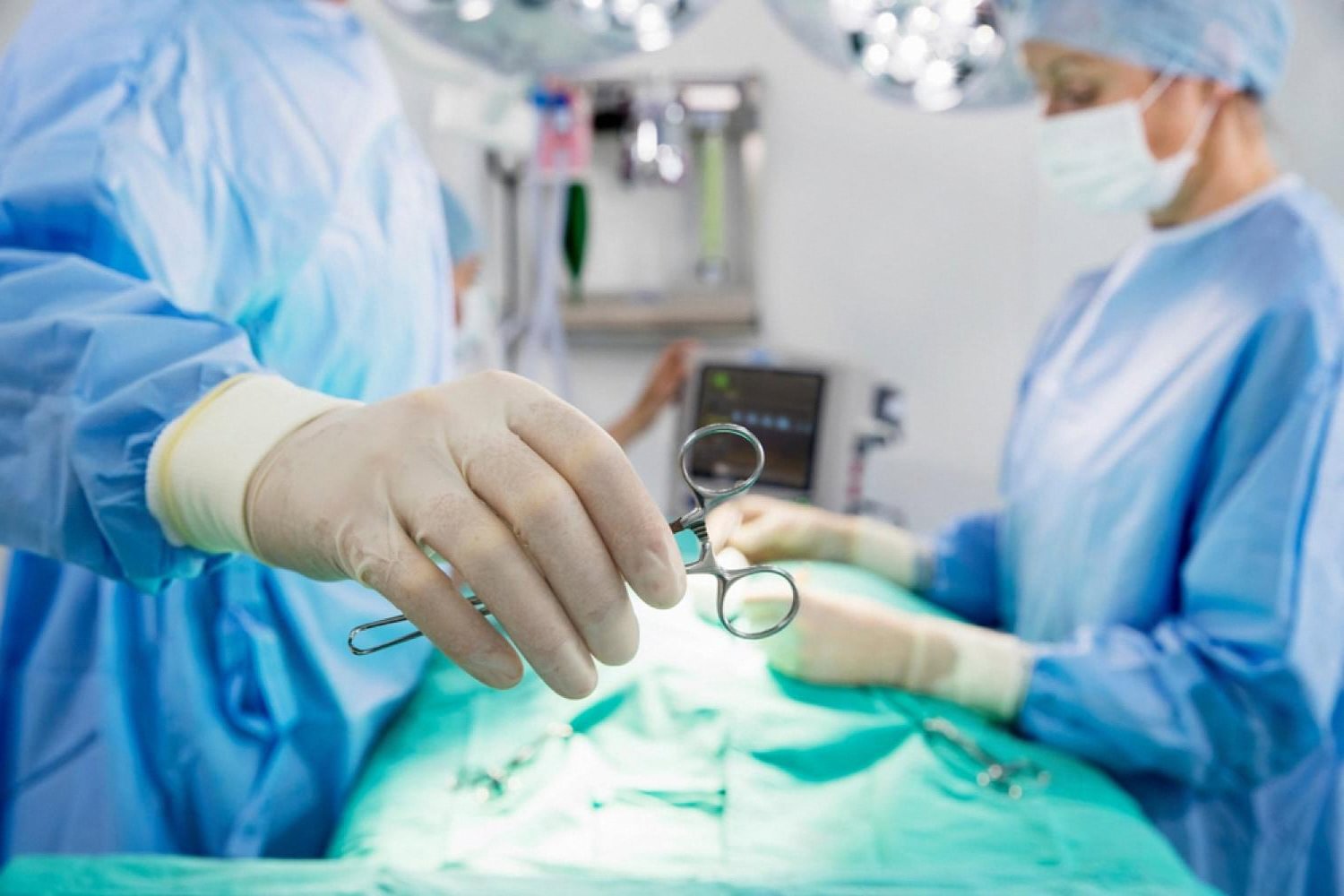
The biggest change over the past decade is not what surgeons treat, it is how. Open abdominal surgery for colon problems is now the exception. Laparoscopic and robotic techniques dominate elective colorectal work in major UAE hospitals, and same-day discharge is realistic for many anorectal procedures.
- Fissure surgery. Lateral internal sphincterotomy or Botox injection to relax the muscle so the tear can heal, usually done as a day case.
- Fistula surgery. Options range from simple fistulotomy for shallow tracts to LIFT, seton placement, or laser closure (FiLaC) for complex fistulas that cross the sphincter.
- Colon surgery. Laparoscopic resection for cancer, diverticular disease, or large polyps, with small incisions and hospital stays measured in days.
- Minimally invasive procedures. Stapled hemorrhoidopexy, rubber band ligation, and transanal endoscopic microsurgery for early rectal lesions.
“The next five years will belong to earlier screening and smaller operations. The patients who benefit most are the ones who walk in with a symptom they almost ignored.”
Prevention: the boring habits that actually work
Prevention gets less attention than surgery, but it changes the odds far more than any single procedure. In a climate like the UAE, hydration is not a slogan, it is medicine.
- High-fibre diet. Aim for 25 to 30 grams a day from vegetables, fruit, legumes, and whole grains.
- Hydration. Two to three litres of water a day, more if you are outdoors or in the gym.
- Regular exercise. 150 minutes of moderate activity a week keeps bowel transit healthy.
- Healthy bowel habits. Go when you feel the urge, do not sit on the toilet with your phone, do not strain.
- Screening colonoscopy. The American Cancer Society recommends starting at age 45 for average-risk adults, earlier if you have a family history.
When to book that appointment
If you have noticed blood, ongoing pain, a change in your bowel habits that has lasted more than three weeks, or a lump you cannot explain, do not wait for it to worsen. A first consultation is usually a conversation and a brief examination, not a procedure. Speaking to a colorectal surgeon dubai early often means a smaller intervention later, and in many cases, no surgery at all.
The trend is clear: the sooner these conditions are seen, the smaller the treatment. That is the outlook worth remembering.
Frequently asked questions
Is blood in stool always serious?
Not always, but it always deserves an assessment. Bright red blood on tissue is often from a hemorrhoid or fissure, while darker blood mixed into the stool can point to something higher in the bowel that needs proper investigation.
The safest approach is to see a colorectal specialist rather than self-diagnose. A short exam, and sometimes a colonoscopy, can settle the question quickly.
What is the difference between a fissure and a fistula?
A fissure is a small tear in the lining of the anal canal, usually caused by hard stools. It is painful during bowel movements and often heals with diet changes and topical treatment.
A fistula is an abnormal tunnel between the bowel and the skin, typically formed after an old abscess. It causes recurring discharge and swelling, and almost always requires surgery to close properly.
When should I see a colorectal surgeon?
Book an appointment if you notice blood in the stool, persistent rectal pain, a lump, unexplained weight loss, iron-deficiency anaemia, or a change in bowel habits that has lasted longer than three weeks.
You should also see one if you have a family history of colorectal cancer or polyps, even if you feel completely well. Early screening is the single most useful step you can take.
Are colorectal surgeries painful?
Most modern colorectal procedures are performed under anaesthesia and cause far less discomfort than patients expect. Techniques such as laser fistula closure, stapled hemorrhoidopexy, and laparoscopic colon surgery are designed to minimise pain and tissue damage.
Post-operative discomfort is usually well controlled with oral medication, warm sitz baths, and stool softeners for the first week.
How long is recovery after fissure or fistula surgery?
Recovery after a simple fissure procedure is typically 1 to 2 weeks, with most people returning to desk work within a few days. Complete healing of the tissue takes 4 to 6 weeks.
Fistula surgery varies with complexity. Shallow fistulotomies heal in a few weeks, while complex fistulas with setons or staged repairs can take several months of gradual healing and follow-up visits.
At what age should I start colorectal cancer screening in the UAE?
For adults at average risk, most current guidelines recommend starting screening colonoscopy at age 45. If you have a first-degree relative diagnosed with colorectal cancer or polyps, you should start 10 years before their age at diagnosis, or by age 40, whichever comes first.
Speak to your doctor about which screening test suits your situation. Colonoscopy remains the most complete option because it can remove polyps during the same procedure.
Can hemorrhoids turn into cancer?
No, hemorrhoids themselves do not become cancer. The concern is that their symptoms, especially bleeding, can mask other conditions such as polyps or early tumours that share the same warning signs.
This is why any persistent rectal bleeding should be evaluated properly rather than assumed to be a hemorrhoid.
Hello! My name is Lars Jensen, and I am a fitness enthusiast and a healthy lifestyle coach from Denmark. Moving to a hot climate completely changed my approach to training, hydration, and recovery. I had to adapt my routine, nutrition, and lifestyle to maintain maximum performance even in extreme heat.